


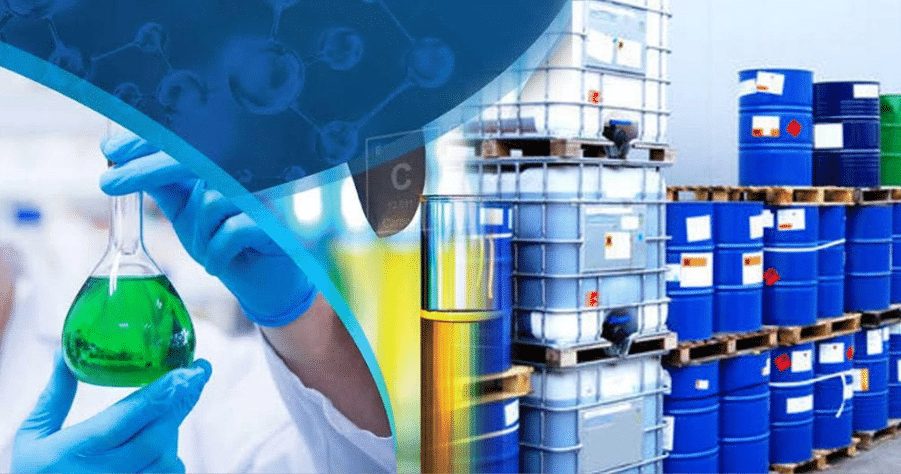
At Easy Chemtrade, we proudly lead this transformation, helping UK businesses embrace eco-friendly practices that deliver real-world benefits without compromising on safety, quality, or operational efficiency. Let’s explore why returnable chemical containers are a true game-changer for the modern industrial sector.
For manufacturers, distributors, and facility managers, the move towards returnable systems goes far beyond a sustainability initiative — it’s a strategic, long-term investment that minimises waste, improves logistics, and strengthens brand reputation.
The Shift Towards Sustainable Chemical Packaging
Sustainability is no longer just a buzzword; it’s a business imperative. Governments, consumers, and corporate partners increasingly demand responsible production and supply chain practices. The chemical industry, often scrutinised for its environmental footprint, is responding by adopting greener solutions such as returnable chemical containers and reusable drums.
These containers are built from robust materials like stainless steel, high-density polyethylene (HDPE), or composite polymers — engineered to withstand multiple use cycles without compromising chemical integrity. Instead of disposing of packaging after one use, containers are cleaned, re-certified, and reused — reducing waste, emissions, and resource consumption.
Environmental Benefits of Returnable Containers
Returnable containers reduce waste, conserve raw materials, lower carbon emissions, prevent landfill disposal, and support sustainable, eco-friendly chemical supply practices.
1. Reducing Waste at Source
Every returnable container represents dozens — if not hundreds — of single-use drums saved from landfill. By eliminating disposable packaging, manufacturers dramatically cut down on plastic and metal waste.
This circular system aligns perfectly with UK sustainability goals and Extended Producer Responsibility (EPR) schemes, which encourage businesses to take accountability for their packaging lifecycle.
2. Lower Carbon Footprint
The energy required to produce new drums or IBCs is significantly higher than that needed to clean and refurbish existing ones. When containers are returned, sanitised, and reintroduced into circulation, the result is a measurable reduction in carbon emissions.
In fact, studies show that using reusable containers can reduce greenhouse gas emissions by up to 60% compared to single-use alternatives.
3. Supporting a Circular Economy
Returnable chemical containers perfectly embody the circular economy model — where materials are kept in use for as long as possible. This approach minimises environmental harm while maximising the value extracted from raw materials, supporting both ecological and economic sustainability.
Cost-Effectiveness and Operational Efficiency
Many manufacturers initially assume that returnable containers might be more expensive due to their higher upfront cost. However, the long-term savings tell a different story.
1. Reduced Packaging Procurement Costs
With containers that last for multiple trips, companies spend less on purchasing new packaging. The return system quickly offsets the initial investment, agricultural chemicals suppliers providing consistent cost savings over time.
2. Streamlined Logistics
Reusable containers are often designed for stackability and compatibility, optimising transport and warehouse space. Additionally, standardised container sizes simplify storage and handling, reducing operational complexities.
3. Lower Disposal and Compliance Costs
Disposing of hazardous packaging is costly and highly regulated. By reusing containers, companies can significantly cut waste management expenses while staying compliant with environmental standards such as REACH and ADR regulations.
4. Enhanced Brand Reputation
For sustainability officers and procurement leaders, adopting returnable packaging sends a strong message to stakeholders. Customers, investors, and regulators all recognise and value visible commitments to green practices.
By partnering with environmentally conscious suppliers like Easy Chemtrade, businesses can showcase their sustainability credentials and strengthen their brand reputation.
Safety and Quality Assurance
While cost and sustainability are key, safety remains non-negotiable in chemical handling. Returnable containers are designed and certified to meet the highest standards of chemical compatibility, leak resistance, and durability.
Each return cycle includes thorough cleaning, inspection, and testing to ensure the containers remain compliant and safe for reuse. This rigorous process ensures no cross-contamination or material degradation occurs — making reusable containers just as safe, if not safer, than single-use ones.
Returnable Containers and the Future of the Chemical Supply Chain
The adoption of returnable containers doesn’t just change how packaging is handled — it transforms the entire supply chain. By integrating smart tracking and logistics systems, companies can monitor container use, location, and condition in real time.
This data-driven approach enhances traceability and accountability, enabling better planning, reduced downtime, and optimised resource allocation. Over time, this builds a more resilient, transparent, and sustainable supply chain.
The Role of Easy Chemtrade in Driving Change
Easy Chemtrade is at the forefront of this transformation, offering high-quality returnable chemical containers and reusable drums that meet industry and environmental standards.
By providing businesses with innovative packaging solutions, the company supports manufacturers in reducing waste, improving logistics efficiency, and achieving their sustainability goals.
Through continuous innovation and collaboration, Easy Chemtrade is helping the UK chemical industry transition towards a greener and more responsible future.
Conclusion
As industries move towards a greener future, returnable chemical containers represent a practical and impactful innovation. They provide a balance between environmental responsibility, operational efficiency, and cost-effectiveness — three pillars of modern industrial sustainability.
For manufacturers and sustainability officers looking to lead by example, now is the time to embrace returnable packaging solutions. With trusted partners like Easy Chemtrade , creating a cleaner, more efficient, and sustainable chemical supply chain is entirely within reach.
Frequently Asked Questions (FAQs)
1. What are returnable chemical containers?
Returnable chemical containers are durable, reusable packaging solutions designed for storing and transporting chemicals multiple times instead of single-use disposal.
2. Are returnable containers safe for hazardous chemicals?
Yes. They are rigorously tested and certified for chemical compatibility, ensuring safe transport of hazardous materials without leaks or contamination.
3. How do returnable containers help reduce costs?
They eliminate the recurring expense of single-use drums, lower waste disposal costs, and streamline logistics — resulting in long-term financial savings.
4. What maintenance is required for reusable containers?
Each container undergoes professional cleaning, inspection, and re-certification before reuse, ensuring compliance with safety and quality standards.
5. Can returnable containers be used for different chemicals?
Generally, containers are reused for the same type of chemical to prevent cross-contamination. Special cleaning protocols can allow safe reallocation when necessary.