


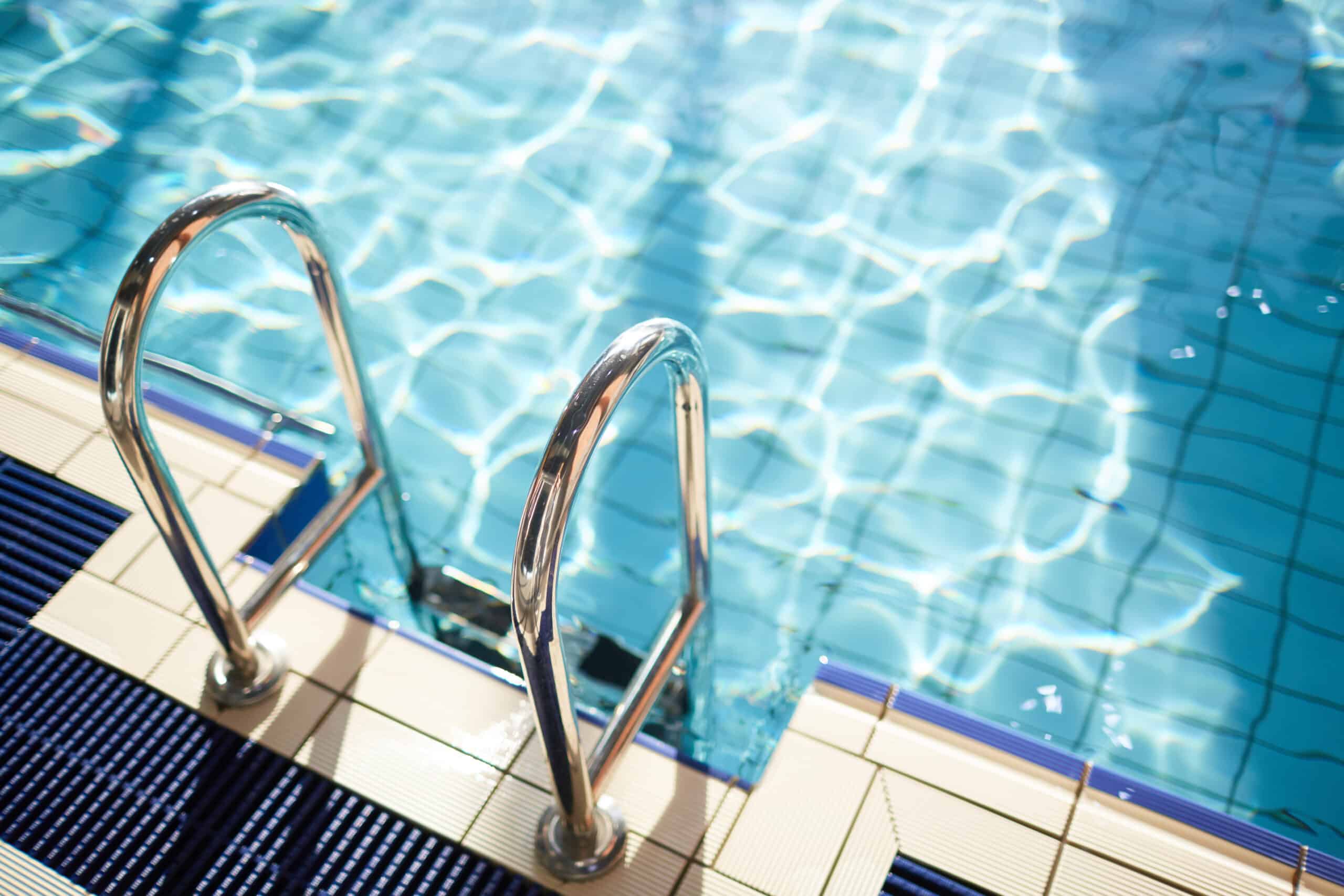
Managing a commercial swimming pool is no small responsibility. Facility managers must ensure that water remains safe, hygienic, and visually appealing at all times. This is where commercial swimming pool chemicals play a critical role. From sanitisation to balancing water chemistry, these chemicals are the backbone of effective pool maintenance.
In high-traffic environments such as hotels, gyms, and public recreational centres, maintaining water quality is even more crucial. The right combination of commercial pool chemicals ensures compliance with health standards while enhancing the user experience. This guide walks you through the essential chemicals every facility needs.
Sanitisers: The First Line of Defence
Sanitisers keep pool water free from harmful bacteria and contaminants. Chlorine remains the most widely used option due to its effectiveness and affordability.
Types of Chlorine
- Liquid Chlorine: Easy to apply, ideal for large pools
- Chlorine Tablets: Slow-release, convenient for ongoing maintenance
- Granular Chlorine: Quick-dissolving for shock treatments
Alternative Sanitisers
- Bromine: Less harsh on skin, effective at higher temperatures
- Saltwater Systems: Generate chlorine naturally
- UV Systems: Reduce reliance on chemicals
Choosing the right sanitiser depends on pool usage, size, and operational needs. Many facility managers prefer sourcing from trusted commercial pool chemicals suppliers for reliability.
pH Control Chemicals
Maintaining proper pH levels is essential for both swimmer comfort and chemical efficiency. Even slight imbalances can reduce sanitiser effectiveness.
Common pH Adjusters
- pH Increasers (Soda Ash): Raise low pH levels
- pH Reducers (Acids): Lower high pH levels
For example, sourcing from reliable bulk caustic soda suppliers in the UK ensures consistent quality for pH adjustments in large-scale operations.
Why pH Balance Matters
- Prevents skin and eye irritation
- Enhances chlorine efficiency
- Protects pool equipment
Alkalinity and Calcium Hardness Adjusters
While pH gets most of the attention, alkalinity and calcium hardness are equally important for water stability.
Total Alkalinity
Acts as a buffer to prevent sudden pH changes. Ideal levels range between 80–120 ppm.
Calcium Hardness
Maintains the structural integrity of pool surfaces and prevents scaling.
- Low Calcium: Can cause corrosion
- High Calcium: Leads to scaling and cloudy water
Using the right pool cleaning chemicals ensures these levels remain balanced over time.
Specialty Pool Cleaning Chemicals
Beyond the basics, specialty chemicals help address specific issues and improve overall water quality.
Common Specialty Chemicals
- Shock Treatments: Eliminate contaminants and restore clarity
- Algaecides: Prevent and treat algae growth
- Clarifiers: Improve water clarity by binding fine particles
Safe Chemical Handling and Storage
Proper handling and storage practices ensure safety and efficiency.
Chemical Handling Tips
- Store chemicals in a cool, dry, and ventilated area
- Keep incompatible chemicals separate
- Always follow manufacturer instructions
Routine Maintenance
- Test water daily
- Adjust chemical levels as needed
- Maintain records for compliance
Facility managers who also oversee agricultural or multi-use facilities may benefit from sourcing from a farm chemical supplier to streamline procurement.
Choosing Reliable Chemical Suppliers
The quality of your chemicals directly impacts pool performance and safety. Partnering with a trusted supplier is essential.
What to Look For
- Consistent product quality
- Bulk purchasing options
- Regulatory compliance
- Technical support
Reliable suppliers of commercial swimming pool chemicals help reduce operational risks and ensure long-term efficiency.
Conclusion
Maintaining a commercial swimming pool requires a strategic approach to water chemistry. From sanitisers to specialty treatments, every chemical plays a vital role in ensuring safety, hygiene, and user satisfaction. Facility managers must not only understand these essentials but also implement best practices and partner with dependable suppliers. Investing in high-quality commercial pool chemicals ultimately leads to smoother operations and better user experiences.
For tailored solutions and expert guidance, don’t hesitate to contact us and explore a wide range of professional-grade chemical supplies.
FAQs
1. What are the most important commercial swimming pool chemicals?
The most essential chemicals include chlorine (sanitiser), pH adjusters, alkalinity increasers, calcium hardness stabilisers, and algaecides.
2. How often should pool water be tested?
Commercial pools should be tested daily, and sometimes multiple times a day depending on usage levels.
3. Can I use residential pool chemicals in commercial pools?
No, commercial pools require higher-grade and often bulk chemicals designed for heavy usage and regulatory compliance.